Truck Crane Maintenance Checklist for Longer Life
A truck crane works under constant load, vibration, weather exposure, and repeated setup cycles, so maintenance must be routine rather than reactive. A clear checklist helps operators and service teams catch leaks, wear, loose fasteners, pressure loss, damaged ropes, and control faults before they become breakdowns or safety hazards. It also supports better uptime, more predictable repair planning, and longer component life. The most effective approach combines daily inspections, scheduled lubrication, fluid management, and timely replacement of high-wear parts. When each inspection point is documented and corrected quickly, the crane stays safer to operate, performs more consistently, and delivers stronger long-term value across construction, lifting, and material handling work.
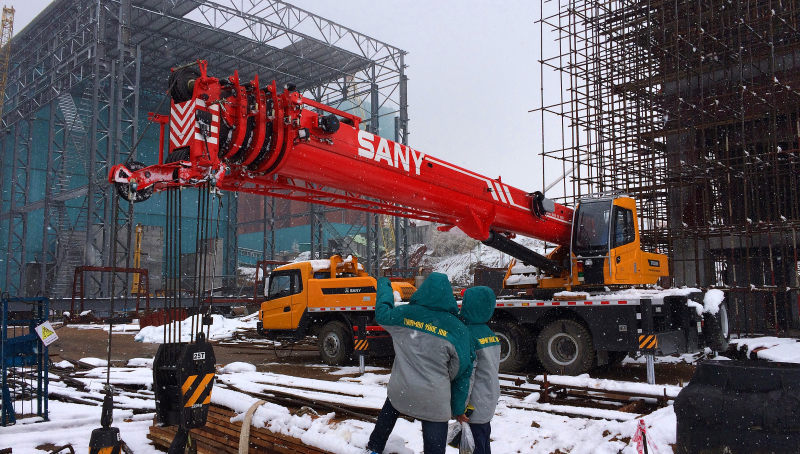
Daily Inspection Checklist for Safe Operation
Key hydraulic, tire, and control system checks
Begin each shift by checking hydraulic hoses, fittings, cylinders, and pump areas for leaks, abrasion, or swelling. Confirm hydraulic oil is at the correct level and look for discoloration, foam, or contamination that may signal internal problems. Inspect tires for cuts, uneven wear, embedded debris, and proper inflation, because stability depends on sound tire condition. Check wheel nuts, outriggers, and pads for visible damage or looseness. Test steering response, brakes, horn, lights, and all control levers for smooth, correct operation. Verify boom movements are steady, without jerking or unusual noise. Review gauges and indicators in the cab to confirm pressure, temperature, and warning systems are reading normally before lifting begins.
Operator-level safety verification before use
Before use, the operator should walk fully around the crane truck and verify that guards, access steps, mirrors, and handrails are secure. Inspect the hook block, safety latch, wire rope reeving, and visible boom sections for cracks, deformation, or impact damage. Confirm load charts, operating manuals, and inspection records are present in the cab. Test the emergency stop, swing lock, anti-two-block device, and overload warning functions to ensure they respond correctly. Make sure outriggers extend, lock, and set firmly on suitable support. Check that the work area is clear of overhead hazards, unstable ground, and unauthorized personnel. A documented pre-use inspection creates accountability and reduces preventable operating risks every day.
Weekly and Monthly Maintenance Tasks
Lubrication points and structural inspection routines
Weekly and monthly service should focus on lubrication consistency and structural condition. Grease all specified points, including boom wear pads, sheaves, pins, rotation bearings, hook block fittings, and outrigger pivots, using the lubricant grade recommended for the crane. Remove old grease and dirt buildup where possible to prevent abrasive wear. Inspect the boom, turntable, carrier frame, weld zones, and outrigger boxes for cracks, corrosion, distortion, or loose hardware. Pay close attention to high-stress areas around pin connections and lifting points. Check torque on critical fasteners according to service requirements. Clean exposed surfaces so damage is easier to detect early. Consistent lubrication and structural review reduce friction, limit fatigue damage, and preserve load-handling integrity over time in service.
Electrical system, sensors, and warning diagnostics review
Electrical and electronic checks should be part of every weekly and monthly maintenance cycle. Inspect battery terminals, cable routing, connectors, grounding points, and fuse panels for corrosion, looseness, heat damage, or moisture intrusion. Test work lights, indicator lamps, alarms, limit switches, and cab displays to confirm reliable operation. Review sensor performance for boom angle, load moment indication, outrigger position, and anti-two-block protection, since inaccurate data can create serious lifting risk. Use the crane’s diagnostic system, when equipped, to identify stored fault codes and intermittent communication issues. Examine harnesses near articulation points where chafing is common. Replace damaged insulation and secure unsupported wiring. Reliable warning systems help operators react early and keep maintenance problems from escalating into unsafe failures.
Critical Wear Components That Need Regular Replacement
Wire ropes, hooks, and load-bearing parts monitoring
Wire ropes, hooks, sheaves, pins, and other load-bearing parts require close monitoring because they directly affect lifting safety. Inspect wire rope for broken wires, crushing, kinks, birdcaging, corrosion, flat spots, and diameter reduction. Check end terminations and drum spooling to ensure proper tension and alignment. Examine hooks for throat opening, twist, cracks, and latch failure. Inspect sheave grooves and bearings for wear that can damage rope prematurely. Look at boom pins, retaining hardware, and load-bearing connection points for elongation or deformation. Replace worn components as soon as they reach service limits rather than delaying until failure. Planned replacement protects structural integrity, supports accurate lifting performance, and reduces emergency downtime on active jobsites.
Hydraulic oil, filters, and fluid quality management
Hydraulic oil and filters should be changed on schedule and monitored between service intervals to protect pumps, valves, and cylinders. Check oil condition regularly for darkening, burnt odor, water contamination, or visible particles. Poor fluid quality reduces lubrication, increases heat, and accelerates internal wear. Replace return, pressure, and suction filters at recommended intervals, and inspect filter media for metal debris that may indicate component damage. Keep reservoirs sealed and use clean transfer equipment to prevent contamination during top-offs. Also monitor coolant, transmission fluid, brake fluid, and fuel-water separators as part of a complete maintenance program. Clean, correctly specified fluids help the crane maintain stable pressure, smooth response, efficient power transfer, and longer hydraulic component life.
Conclusion
A longer-lasting truck crane depends on disciplined habits, not occasional repairs. Daily inspections catch immediate safety issues, while weekly and monthly routines control wear before it spreads through the machine. Replacing ropes, hooks, filters, and degraded fluids at the right time protects both lifting performance and operator confidence. Just as important, maintenance should be documented, reviewed, and tied to clear responsibilities for operators, technicians, and supervisors. A consistent checklist creates that structure. It improves communication, supports compliance, and makes recurring problems easier to spot and correct. When maintenance becomes part of the operating culture, the crane spends more time working, less time in unplanned repair, and delivers safer, more dependable service throughout its usable life.
Горячие изделия






Copyright © 2023 guideforests.com. All rights reserved.