Is a Mini Excavator Worth It for Small Projects?
A mini excavator is often worth it for small projects when the work involves repeated digging, trenching, grading, or material handling that would take far longer by hand. For homeowners, it can turn demanding yard work into a manageable weekend job. For contractors, it improves speed, access, and labor efficiency on tight sites. The key question is not whether the machine is useful, but whether its cost matches the volume and type of work you plan to do. When used regularly and on the right tasks, a mini excavator delivers clear practical value.
Understanding What a Mini Excavator Really Does
Core Functions in Small Construction Tasks
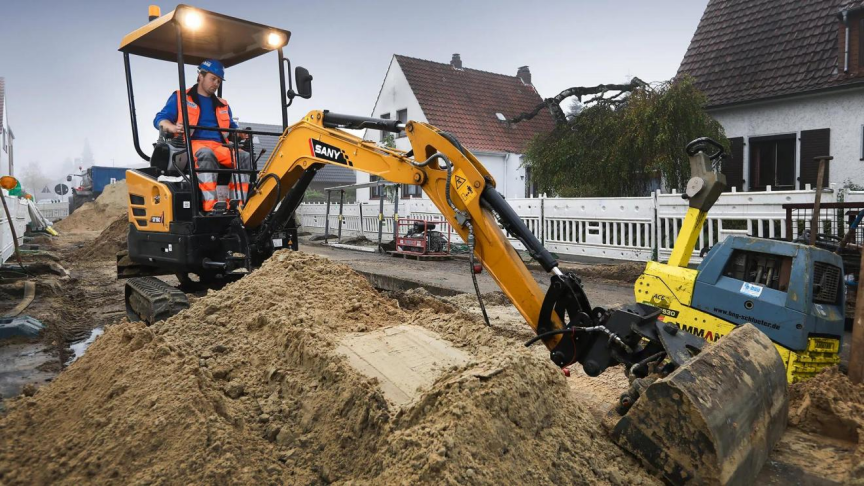
A mini excavator handles several jobs that appear simple but require consistent force, reach, and control. Its main function is digging, whether for footings, utility lines, drainage paths, pond edges, or stump removal. It also works well for trenching, backfilling, light demolition, lifting materials, and rough grading. Because the machine can rotate and work within a compact footprint, it is effective in fenced yards, narrow driveways, and confined residential sites. Operators can switch attachments to match the task, which expands use beyond basic excavation. For small construction work, that versatility matters. Instead of relying on hand tools or larger equipment that cannot fit the site, a mini excavator completes precise, labor-intensive jobs faster and with less physical strain.
Where Mini Excavators Deliver the Most Value
Mini excavators deliver the most value on jobs where access is limited, digging depth is moderate, and productivity matters more than brute size. They are especially useful on residential lots, backyard improvements, small commercial upgrades, and utility repairs where a full-size machine would be excessive. Their compact design reduces ground disturbance, which helps when working near existing landscaping, patios, fencing, or finished surfaces. They also save time on projects that involve repeated trench runs, post-hole preparation, drainage correction, and soil movement. For contractors, that means tighter scheduling and lower labor hours. For homeowners, it means finishing a project in days instead of weeks. The strongest value appears when the machine replaces manual digging or prevents the need to hire a larger crew for straightforward site work.
Cost vs Value Analysis for Small Projects
Purchase vs Rental Cost Breakdown
Renting a mini excavator makes the most sense for one-time or occasional projects. A short rental keeps upfront costs predictable and avoids ownership responsibilities like storage, maintenance, and transport. Buying becomes the better value when you expect steady use across many jobs, especially if excavation work is part of your normal workflow. A purchased machine can generate savings by reducing labor, speeding completion, and giving you scheduling control. The break-even point comes when repeated rentals begin to approach the cost of ownership over time. Contractors usually reach that point faster than homeowners. If your work calendar includes trenching, grading, landscaping, or site prep on a regular basis, ownership can pay off. For a single backyard project, rental is usually the more economical choice.
Hidden Costs Most Buyers Overlook
The machine price or rental rate is only part of the real cost. Buyers often overlook delivery, trailer requirements, fuel, routine service, hydraulic maintenance, attachment purchases, insurance, and secure storage. Training time also matters. Even compact equipment requires careful operation to avoid property damage, downtime, or inefficient work. If the project site has delicate surfaces, you may also need ground protection or restoration after the job. Ownership adds long-term considerations such as replacement parts, track wear, battery issues, and resale value. Rental users can face extra charges for overuse, damage, cleaning, or extended time on site. These costs do not cancel the value of a mini excavator, but they affect the decision. A smart estimate should include the full operating picture, not just the advertised rate.
Real-World Use Cases for Homeowners and Contractors
Landscaping, Trenching, and Yard Projects
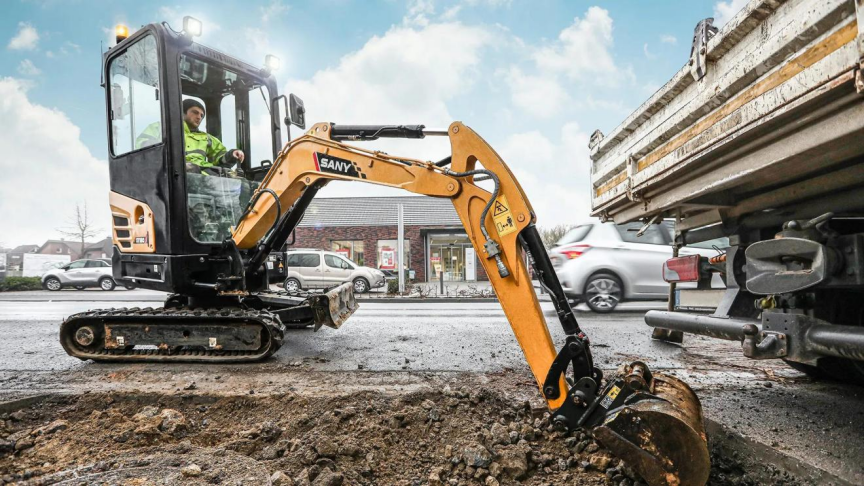
For homeowners, a mini excavator proves its value fastest in outdoor projects that involve a lot of soil movement. Digging trenches for irrigation, drainage, electrical conduit, or water lines becomes quicker and more accurate than hand digging. Landscaping jobs such as removing shrubs, shaping garden beds, building retaining wall bases, or leveling uneven ground also become far more manageable. Yard drainage corrections are another strong use case because they often require narrow, consistent trenches across tight spaces. Contractors benefit in the same way when handling residential site work with limited access. A compact machine can move through gates, work near fences, and reduce damage to finished areas. On jobs where precision matters as much as speed, a mini excavator offers practical, measurable advantages over manual labor alone.
Light Construction and Renovation Work
Mini excavators also earn their place in light construction and renovation work. They can dig for small foundations, detach and clear old concrete sections, prepare footings for additions, and handle basic site preparation before crews begin framing or installation. On renovation projects, they help expose utility lines, remove debris, and reshape grade around existing structures without bringing in oversized equipment. That makes them especially useful where space is restricted and disruption needs to stay low. Contractors gain better control over timelines because they are not waiting on larger machines for modest excavation tasks. Homeowners using hired operators can also complete prep work more efficiently before patios, sheds, drainage systems, or outbuildings are installed. For compact, targeted site work, the machine often justifies its cost through time saved.
Conclusion
A mini excavator is worth it for small projects when the work includes frequent digging, trenching, grading, or site preparation that demands more speed and control than manual labor can provide. Its strongest advantage is efficiency in tight spaces, especially on residential lots and light construction sites. Renting is usually the smart choice for isolated projects, while buying makes sense for contractors or property owners with ongoing excavation needs. The decision becomes clear when you compare total cost against labor savings, project speed, and reduced physical effort. If your small jobs regularly involve moving earth or preparing ground, a mini excavator is not just convenient. It is a practical tool that can improve results, shorten timelines, and make smaller projects far easier to complete.
Горячие изделия



Copyright © 2023 guideforests.com. All rights reserved.