What Is the Best Charging Strategy for Solar Batteries?
The best solar battery charging strategy prepares stored energy for the hours when it will be most useful. That requires more than filling a battery whenever electricity becomes available. A household can consider tomorrow’s solar conditions, upcoming appliance use, electricity prices, and the amount of energy already stored. These signals change from one day to another. A practical strategy therefore works like a rolling 24-hour energy plan: decide what the battery needs to accomplish next, then choose charging opportunities that support that specific job.
Plan Charging Backward From Future Energy Needs
Tomorrow’s Energy Calendar Can Set Today’s Target
Start with the next period of expected consumption rather than the current battery percentage. List tomorrow’s predictable activities and place them on a simple timeline. Morning heating, home working, laundry, cooking, or EV charging can create very different energy requirements. Then estimate which activities may rely on stored electricity. This approach gives solar panel inverter systems and battery storage a defined purpose within the wider household energy plan. For example, a household expecting a quiet evening may choose a different charging target from one preparing for several energy-intensive activities. The objective is not simply to reach a particular state of charge. It is to have an appropriate amount of stored energy ready before the planned demand begins.
Solar Availability Can Divide Charging Into Opportunity Blocks
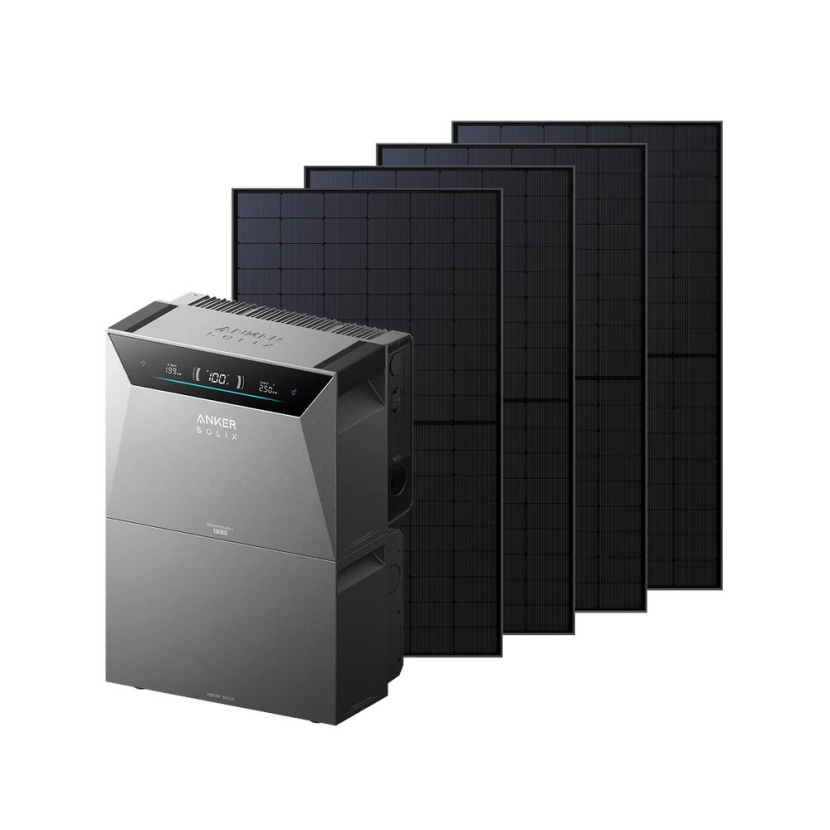
Instead of treating daylight as one long charging period, divide expected solar availability into several blocks. Morning production, stronger midday generation, and afternoon production can each contribute differently. This creates opportunities to reassess stored energy as the day develops. The Anker SOLIX Solarbank 4 E5000 Pro supports up to 5,000 W of solar input. Its four MPPTs support 4 to 12 panels, and Anker states that supported configurations can generate up to 5,586 kWh annually under its specified conditions. For daily planning, the more useful idea is to compare available solar production with the energy target already established for later use. Charging then becomes a response to the day’s energy opportunities rather than a single fixed event.
State of Charge Works Better as a Checkpoint
Battery percentage becomes more informative when it is attached to a time and a purpose. A reading at 9 a.m. can answer one question: is enough stored energy available before daytime solar production develops? A midday reading can answer another: how much capacity has been filled before the afternoon? An evening reading shows the energy available for upcoming household demand. Solarbank 4 E5000 Pro provides 5 kWh of base capacity, so each percentage point can also be understood as part of a defined energy amount. Treating state of charge as a series of checkpoints creates a more flexible charging strategy. Instead of focusing on one final percentage, the household checks whether stored energy remains on schedule for the next planned use.
Combine Solar Charging With the Household Energy Calendar
Electricity Prices Can Fill Gaps in the Daily Plan
Solar generation does not need to be the only timing signal. Electricity tariffs can create additional charging opportunities. Solarbank 4 E5000 Pro is compatible with Octopus and more than 870 tariffs. With 2,500 W fast recharge, Anker states that the 5 kWh battery can fully charge in under two hours at off-peak rates, then supply the home when prices peak. A household can therefore create a charging hierarchy based on its own energy plan. Solar production can supply stored energy when available, while favorable tariff periods can prepare the battery for upcoming consumption when appropriate. This approach treats charging sources as complementary scheduling options. The decision follows the next energy requirement rather than relying on one identical charging routine every day.
Real-Time Monitoring Can Correct the Plan During the Day
A charging schedule becomes more useful when actual household behavior can update it. Planned energy consumption and real consumption will not always match exactly. A person may work from home unexpectedly, cooking may start earlier, or an appliance may operate at a different time. Solarbank 4 E5000 Pro works with Smart Meter Gen 2 for real-time monitoring. Its dual-circuit design monitors the main grid, while the second channel can track third-party solar output or provide active circuit overload protection. These readings can show whether the home is consuming more or less electricity than expected. Instead of waiting until the end of the day to discover the difference, users can compare actual energy movement with the charging plan while useful charging opportunities still remain.

Weekly Patterns Can Make Daily Charging More Precise
A good strategy can learn from repeated household routines. Compare several Mondays, working days, weekends, or other recurring schedules and note how much stored energy remains at key points. If similar days regularly finish with a particular consumption pattern, that information can shape future charging targets. This method creates a household-specific energy rhythm without assuming every day will be identical. Long-term operation also matters when charging becomes a regular part of daily life. Solarbank 4 E5000 Pro uses a 314 Ah LiFePO4 battery rated for 10,000 charging cycles, with a stated 15-year lifespan and 10-year warranty. These specifications provide useful context for a system designed to participate repeatedly in household energy scheduling.
Conclusion
The best solar battery charging strategy starts with future demand and works backward to the available charging opportunities. Define the energy needed for upcoming household activities, divide solar availability into useful periods, and treat state of charge as a series of checkpoints. Electricity tariffs can add another charging window, while real-time monitoring allows the plan to respond to actual consumption. Over time, recurring household patterns can refine these decisions, turning charging from a fixed daily routine into a practical energy schedule.
Hot Articles





Copyright © 2023 guideforests.com. All rights reserved.