What Is In Vitro ADME and Why Is It Important?
In vitro ADME is essential for comprehending the behaviour of pharmaceuticals prior to their clinical testing. It enables scientists to investigate absorption, distribution, metabolism, and excretion through the use of controlled laboratory systems. These studies offer preliminary insights into the potential performance of a compound in the body. The absence of this information results in a greater degree of uncertainty and risk in the development of drugs. In vitro ADME is employed by researchers to screen compounds, identify potential issues, and guide optimisation. This method enhances efficacy and facilitates more informed decision-making. Teams can concentrate on candidates with a greater likelihood of success in development by conducting an early evaluation of drug properties.
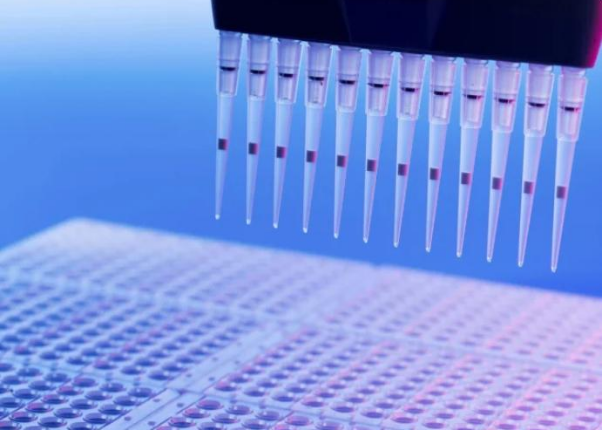
What Is In Vitro ADME in Drug Development?
Understanding ADME: Absorption, Distribution, Metabolism, Excretion
ADME refers to the key mechanisms that control how a medication travels through the body. Absorption describes how a medicine enters the circulation following administration. Distribution depicts how it is distributed across tissues and target areas. Metabolism is the process by which a medication is converted into another substance, often in the liver. Excretion eliminates the medication and its metabolites from the body via urine or bile. These mechanisms interact to regulate drug concentration and duration of effect. Scientists investigate ADME to anticipate how a medicine will behave in patients. Understanding these processes aids in dosing, improving safety, and ensuring that medications reach therapeutically beneficial levels.
What Does “In Vitro” Mean in ADME Studies?
In vitro investigations take place outside of a living creature, typically in controlled laboratory surroundings such as test tubes or cell cultures. In vitro approaches in ADME investigations enable researchers to investigate how medications interact with enzymes, cells, and biological systems without the use of complete animals or people. These technologies provide precise control of experimental settings, making it simpler to isolate individual components. Scientists can swiftly test several substances and provide repeatable results. In vitro methods also promote ethical research by minimising dependency on animal experimentation. Using these tools, researchers may acquire early insights into drug behaviour and detect possible problems before moving on to more complicated in vivo experiments.
Common In Vitro ADME Assays and Methods
In vitro ADME tests are commonly used in laboratories to examine critical pharmacological features. Permeability experiments, such as the Caco-2 cell model, assess how medicines traverse biological membranes. Metabolic stability studies employ liver microsomes or hepatocytes to determine how rapidly enzymes degrade a medication. Protein binding tests measure how much medication is free in the circulation. Transporter studies look at how medications flow into and out of cells. Solubility and dissolution tests give information on absorption potential. These technologies produce data that scientists may use to predict in vivo behaviour. By integrating findings from several tests, researchers can gain a thorough picture of a compound's pharmacokinetic characteristics.
Why Is In Vitro ADME Important for Drug Discovery?
Predicting Drug Behaviour Before Clinical Trials
In vitro ADME enables researchers to anticipate the potential effects of a drug on the body prior to the commencement of clinical trials. Scientists can estimate drug exposure and potential effectiveness by examining absorption, metabolism, and other factors. These predictions assist in the development of delivery strategies and the selection of candidates. The early detection of issues such as accelerated metabolism or inadequate permeability prevents costly failures in the future. Modelling approaches that simulate human pharmacokinetics are also supported by in vitro data. This enhances confidence in development decisions and mitigates uncertainty. Researchers can concentrate on compounds that are more likely to succeed in clinical testing and provide significant therapeutic benefits by predicting behaviour in advance.
Reducing Cost, Time, and Failure Rates in Development
In vitro ADME reduces the cost, time, and failure rates involved with medication development. Testing chemicals in a laboratory setting is faster and less expensive than doing animal or human trials. Researchers can swiftly identify poor candidates and exclude them from future development. This avoids investing in compounds that are unlikely to succeed. Early screening also enables teams to refine promising compounds before moving them forward. Companies that address possible difficulties early can prevent delays and lower the likelihood of late-stage failure. This effective technique simplifies development and increases the overall success rate of introducing new pharmaceuticals to the market.
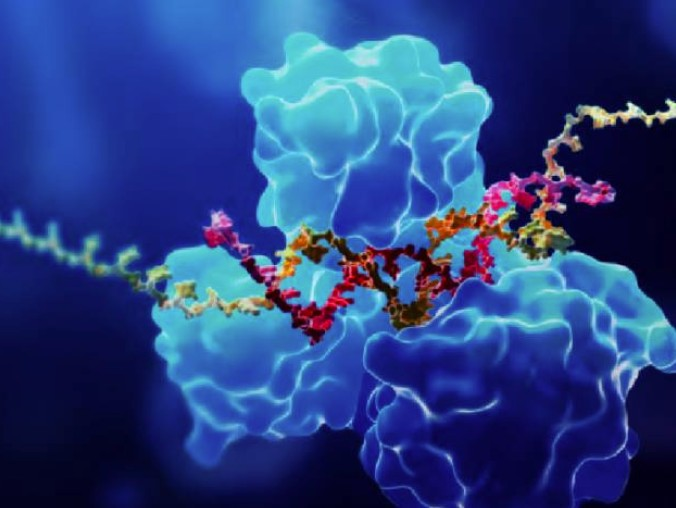
Improving Drug Safety and Optimising Lead Compounds
Lead chemical optimisation and medication safety are enhanced by in vitro ADME. Researchers can find potentially hazardous interactions or toxic metabolites by examining metabolism and enzyme interactions. Scientists can alter chemical structures and lower safety hazards thanks to these discoveries. Appropriate exposure levels and treatment windows are also determined with the use of in vitro data. To get the greatest results, optimisation efforts concentrate on striking a balance between safety and efficacy. Only well-characterised chemicals advance in development thanks to this procedure. By improving safety profiles early, in vitro adme supports the creation of more reliable and effective therapies for patients.
Conclusion
The in vitro ADME is a critical instrument in the modern drug discovery process. It offers preliminary insights into the absorption, distribution, metabolism, and excretion of pharmaceuticals. These studies assist researchers in the prediction of drug behaviour, the identification of risks, and the optimisation of compounds prior to clinical trials. In vitro ADME enhances efficiency and increases success rates by decreasing uncertainty, cost, and development time. It also promotes safer drug design by early identification of potential issues. The incorporation of in vitro ADME into development strategies guarantees more effective outcomes and improved decision-making. This method is essential for the advancement of pharmaceutical innovation and the provision of safe, high-quality therapies to patients.
المواد الساخنة







Copyright © 2023 guideforests.com. All rights reserved.